,

Turning Conflict into Opportunity: The Innovation Connection

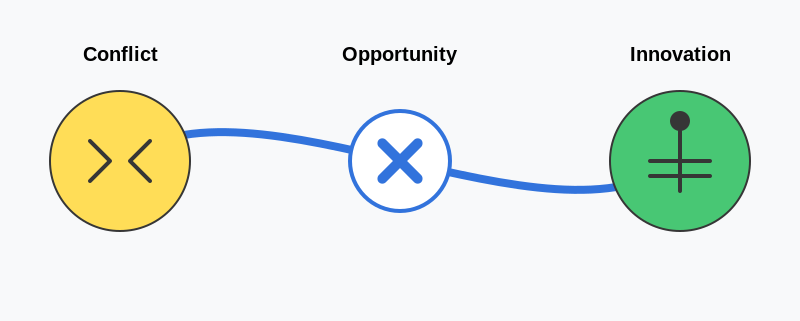
Conflict in the workplace often gets a bad rap, but I’ve found it can be one of the most powerful sources of innovation, if handled the right way.

And the research backs that up. Accenture found that companies encouraging constructive disagreement are six times more likely to be innovative. Gallup reports teams with healthy conflict management show 27% higher engagement. These numbers reflect what I see every day in my work with clients.

How Disagreement Fuels Creativity

Take a tech startup I worked with last year: their leadership team was split on product direction. One group wanted to push forward with new features, the other felt the core platform needed rebuilding. Instead of forcing a compromise, we explored the strengths of both perspectives and ended up creating a hybrid solution. They split the team, tackled both priorities, and the result was far stronger than either approach alone.

When teams learn how to challenge ideas without making it personal, that’s when real breakthroughs happen.

Creating Safety for Bold Ideas

In another case, a healthcare client was stuck. Despite several initiatives, patient satisfaction scores weren’t budging. The turning point came when we created space for frontline staff to share ideas openly without hierarchy or judgment. Within months, they implemented practical changes that boosted satisfaction scores by over 30%.

Three Ways to Turn Tension into Innovation

After years of navigating tough conversations across industries, here are three strategies I’ve seen work again and again:

  1. Reframe Criticism as Curiosity
    Instead of shutting down feedback, turn it into a “What if we…” question. It’s a simple shift that keeps the conversation open and forward-thinking.
  2. Try the Multiple Perspectives Exercise
    When viewpoints clash, I have each side explain the other’s position and then the customer’s. It almost always reveals new common ground and better solutions.
  3. Map the Value Behind the Tension
    For leadership tensions, we visually map out what each person values. What often looks like conflict is actually two important priorities pulling in different directions – both valid, and both needed.

When teams can see how these differing perspectives fit together, they start recognising them as complementary strengths, not obstacles.

Your Next Breakthrough Could Be in the Tension

The successful teams don’t avoid conflict – they know how to work with it. I’ve seen time and time again that what feels like friction often contains the seeds of innovation.

If your team’s stuck or feeling the strain of competing priorities, it might be exactly the right time to reframe the conversation.

Curious how this might apply to your team? Reach out to set up a quick consult.


, ,

The Cost of Avoiding Conflict: What Leaders Need to Know

Workplace conflict is often seen as something to be avoided at all costs. Many leaders believe that if they ignore small tensions, they will simply fade away.

However, the reality is quite the opposite – unresolved conflict festers, disrupts teams, and eventually leads to significant financial and cultural consequences.

At Segal Conflict Solutions, we’ve seen firsthand how avoiding conflict can result in lost productivity, legal disputes, and high employee turnover.

The Hidden Financial Impact of Unresolved Disputes

The cost of conflict avoidance is staggering. Studies estimate that unresolved workplace conflict costs businesses billions annually. Employees spend hours navigating tensions instead of focusing on their work, and the longer conflicts go unaddressed, the more likely they are to escalate into formal complaints, legal claims, or exits that leave teams understaffed and demoralised.

A classic example is a company we worked with where two senior managers had an ongoing power struggle. Rather than address the issue head-on, leadership chose to ignore it, hoping it would resolve itself. The result? Entire departments became divided, projects stalled, and multiple high-performing employees left due to the toxic environment. What could have been resolved with a structured mediation process instead led to a costly restructuring.

How to Spot Early Warning Signs of Workplace Tension

Not all conflicts explode into major disputes overnight. There are often warning signs that indicate trouble is brewing:

  • Increased complaints to HR about communication breakdowns, micromanagement, or perceived favouritism.
  • A drop in team collaboration and morale, with employees disengaging or avoiding certain colleagues.
  • Higher turnover rates, especially when employees cite workplace culture as a reason for leaving.
  • A rise in sick leave or stress-related absences, as workplace stress impacts employee well-being.

Identifying these signs early allows leaders to intervene before the situation escalates beyond control.

Simple Strategies to Prevent Conflict from Escalating

As a workplace mediator and conflict resolution specialist, I’ve helped organisations turn conflict into opportunities for stronger teams. Here are a few ways leaders can address disputes before they become crises:

  • Create a Culture of Open Communication – When employees feel safe voicing concerns, conflicts can be addressed early and constructively.
  • Train Managers in Conflict Resolution – Equipping leaders with mediation and active listening skills helps prevent minor issues from escalating.
  • Address Issues Promptly – Don’t wait for the ‘right moment.’ The sooner you tackle the problem, the easier it is to resolve.
  • Use External Third-Party Mediation When Needed – Bringing in a professional mediator like Segal Conflict Solutions ensures a fair and structured resolution process.

Final Thoughts

Avoiding conflict is a short-term solution that often leads to long-term problems. By addressing tensions early and fostering a culture of transparency and resolution, organisations can reduce turnover, improve productivity, and create a more positive workplace.

If your organisation is struggling with workplace tensions, don’t wait for the situation to worsen. At Segal Conflict Solutions, we specialise in helping businesses resolve disputes effectively and fairly. Whether through mediation, investigations, or conflict training, we provide the tools you need to turn conflict into collaboration.


,

Why Your Team’s Tone Matters

Ever read an email or heard a comment in a meeting and thought, “Ouch, that felt unnecessary”? Tone-the unspoken element of communication-can make or break a team. It’s not just the words we use but how they’re delivered that influences how people respond. At Segal Conflict Solutions, I’ve seen firsthand how a team’s tone can either strengthen bonds or sow division.

Let’s talk about a real-life scenario I worked on, where tone became the silent culprit behind a team’s dysfunction.

A Simple Email That Shook a Team

Picture this: A marketing team at a mid-sized company was gearing up for a major campaign. Deadlines were tight, stress levels were high, but the team had been pulling together effectively… until one email flipped everything on its head.

The email came from the team lead and read:

“Team, the delay on the client brief is unacceptable. We’re falling behind. Let’s make sure this doesn’t happen again.”

The lead’s intention was clear: they wanted to emphasise the importance of meeting deadlines. But the tone, perceived as curt and accusatory, sparked immediate tension. Team members felt blamed and underappreciated. One person vented in the group chat; another avoided the lead entirely, and suddenly, the collaborative energy that had driven the project evaporated.

Unpacking the Fallout

When I was brought in to facilitate, it quickly became clear that the issue wasn’t just the email. It was part of a larger pattern where the team felt the lead’s tone often leaned too harsh. The lead, on the other hand, was baffled: “I’m just being direct! Why is everyone so sensitive?”

This disconnect between intention and impact is where tone becomes critical. The lead wasn’t intentionally trying to alienate their team, but their delivery created an unintended emotional response.

Turning the Tone Around

To help the team move forward, we worked on:

  1. Awareness of Tone: The team lead needed to understand that even a neutral message can feel harsh when stress levels are high. We explored how to frame feedback in a way that acknowledged effort while addressing issues.
  2. Clarity Without Criticism: I introduced a simple structure for difficult messages:
    • Start with acknowledgment: Recognise what’s going well.
    • Address the issue factually: Focus on the task, not the person.
    • End with collaboration: Emphasise teamwork and solutions.

For example, the original email could have been reframed like this:

“Hi, team. I know how much effort everyone’s putting into this campaign, and it’s really appreciated. We’ve hit a snag with the client brief delay, and I want to make sure we stay on track. Let’s discuss how we can avoid this next time in tomorrow’s meeting.”

Notice the difference? The tone shifts from blame to problem-solving, making it easier for the team to engage without defensiveness.

3. Feedback Loops: I encouraged the team to have regular check-ins about communication. This created a safe space to address tone-related issues before they escalated.

The Bigger Picture

Tone is more than just a “nice-to-have” in communication. It’s a reflection of your team’s culture. When tone is consistently thoughtful, it fosters trust, collaboration, and resilience. But when it’s neglected, even the smallest misstep can ripple into larger conflicts.

For leaders, this means taking a moment to ask:

  • How might my tone be interpreted by others?
  • Am I balancing clarity with empathy?
  • Does my communication encourage solutions or defensiveness?

For team members, it’s about giving and receiving feedback on tone with curiosity rather than judgment. After all, we’re all navigating the complexities of human communication together.

Final Thoughts

The way your team communicates isn’t just about getting the job done. It’s about building an environment where everyone feels valued, heard, and motivated. So, next time you’re about to hit send on an email or deliver feedback, take a moment to consider the tone. It’s a small effort that can make a huge difference.

Need support in navigating tricky team dynamics? At Segal Conflict Solutions, we specialise in helping teams build stronger, more harmonious communication. Reach out-we’re here to help!

,

The Workplace Conflict Resolution Gap: Why Proactive Strategies Matter

Workplace conflict is inevitable, but how it’s handled can determine whether issues are resolved or allowed to fester. According to a recent report from the CIPD (Chartered Institute of Personnel and Development), there is a stark disconnect between how employers and employees perceive conflict management. While 81% of employers believe they are addressing conflicts effectively, only one-third of employees feel that their disputes are fully resolved. This gap underscores a critical need for earlier, more informal interventions and improved strategies to manage workplace conflicts.

The Role of Managers in Conflict

In workplaces where line managers have been trained to handle conflict effectively, employees report higher levels of trust, collaboration, and team cohesion. However, the same report highlights a key issue: 49% of employers admit that managers themselves can be a source of conflict. This underscores the need for continuous manager development and targeted conflict resolution training.

Managers play a pivotal role in not only addressing conflict but also preventing it. Without proper training, managers may inadvertently escalate tensions, misunderstand the root causes of disputes, or fail to foster an environment where open communication is encouraged. Investing in their training can help close this gap, ensuring they can intervene early and facilitate resolutions that work for everyone involved.

The Hidden Impact of Unresolved Conflict

When conflicts remain unresolved, they can ripple through an organisation, creating long-term issues that negatively affect both individuals and teams. Some of the most damaging consequences include:

  • Lower morale: Persistent conflict leaves employees feeling disengaged, unappreciated, and dissatisfied, which erodes team spirit.
  • Decreased productivity: Energy spent on disputes reduces focus on core responsibilities, leading to inefficiency and missed deadlines.
  • Strained relationships: Unresolved conflicts often lead to mistrust, poor communication, and fractured collaboration between team members.
  • Increased stress: A tense workplace creates an unhealthy environment, contributing to higher stress levels, absenteeism, and turnover.

Over time, these issues compound, leading to toxic work cultures that not only lower performance but also drive talent away.

Proactive Strategies for Conflict Resolution

Closing the conflict resolution gap requires a proactive approach. Here’s how organisations can tackle conflicts more effectively:

  1. Early Intervention: Addressing conflict at the earliest sign of tension prevents minor issues from escalating into larger disruptions. Quick action allows teams to resolve misunderstandings before they erode trust and affect overall performance.
  2. Open Communication: Encouraging transparency helps foster an environment where employees feel safe voicing concerns. Regular, clear communication can prevent misunderstandings from growing into bigger problems and promote collaboration in problem-solving.
  3. Manager Training: Managers often act as the first line of defence in conflict resolution. Training managers in mediation techniques, active listening, and emotional intelligence equips them to confidently and fairly address issues as they arise.
  4. Building Team Resilience: Teams that engage constructively with conflict develop greater resilience. This strengthens their ability to navigate challenges and adapt to new situations, resulting in stronger working relationships and a more positive workplace culture.

How We Can Help

At Segal Conflict Solutions, we specialise in helping organisations tackle workplace conflicts head-on through tailored strategies and expert intervention. Our approach includes:

  • Mediations: We facilitate structured discussions to help resolve disputes between employees or teams, ensuring a respectful, productive environment for conflict resolution.
  • Workplace Investigations: For more complex issues, we conduct thorough investigations to understand the root causes of conflicts and recommend fair, transparent solutions.
  • Training Workshops: Our workshops provide managers and teams with the tools they need to handle conflict proactively. We focus on building skills in communication, conflict resolution techniques and fostering psychological safety in the workplace.

The Broader Insights from CIPD Research

The CIPD’s Good Work Index 2024 not only highlights the gap in conflict resolution but also calls for earlier, more informal approaches to managing disputes. The report stresses that traditional disciplinary actions and grievance procedures, while important, are often too formal and drawn out, adding additional stress. More informal, everyday conflict resolution strategies are crucial to creating a culture where managers and employees feel empowered to resolve conflicts as they arise without resorting to formal escalation.

In fact, the CIPD report found that organisations investing in line management training saw marked improvements in workplace harmony. Where managers were equipped with conflict resolution skills, employees felt more supported, leading to a greater sense of fairness and trust across teams.

By adopting proactive conflict resolution strategies and partnering with experienced professionals, you can create a stronger, healthier, and more productive workplace. Conflict is inevitable, but with the right approach, it can become an opportunity for growth, innovation, and team-building.

,

How to Tackle Difficult Conversations in the Workplace (A Step-By-Step Guide)

Knowing how and when to have a difficult conversation is a vital skill for anyone in a workplace and is one of the key pillars of conflict resolution. The need to have a difficult conversation can arise for various reasons. A difference in values or perspectives, unmet performance targets, or disrespectful behaviour will, at some point, need to be addressed.

Here are some familiar scenarios I regularly encounter in my work as a conflict resolution specialist.

Approaching Someone About Their Poor Performance
Matt has been dropping the ball at work for several months. While he still shows up every day on time, he’s often not really present and seems distracted most of the time. His colleagues have been picking up the slack, but they’ve started to complain to their manager, Sam. Sam has noticed the changes as well and decided to have a conversation with Sam about it.

  1. Preparation
    Sam gathers facts, data and concrete examples illustrating Matt’s poor performance. This includes specific projects or tasks where timelines were missed and emails illustrating when Matt said he would do something and then didn’t follow through.
  2. Choosing the right time and place
    Knowing a difficult conversation should never come from a place of anger, Sam chooses a time and date in the near future for a private meeting. They book a quiet meeting room that makes it easier to have an open and honest conversation.
  3. Starting with a positive
    Sam starts the conversation by acknowledging Matt’s strengths; how even though they can see it’s been a struggle, Matt has continued to show up day after day, which shows commitment.
  4. Using the right language
    Sam ensures they use “I” statements to express their concerns about the observed decline in performance.
  5. Being specific and objective
    When providing examples to Matt, Sam focuses on the behaviour, not Matt’s personal traits.
  6. Listen to their perspective
    Sam leaves plenty of time for Matt to give their perspective on the change in behaviour and performance. This gives Sam insights into the challenges Matt has had.
  7. Identifying root causes
    Together, they can identify the root cause of Matt’s performance issues. His partner has been diagnosed with an illness that requires intensive treatment, coupled with a change in process at work that has meant Matt needs to do additional tasks he doesn’t have time for.
  8. Set clear expectations
    Sam and Matt discuss specific steps they will take to address the performance issues. Matt agrees to take a day-a-week carer’s leave to support his partner, and Sam will investigate the change in process to see how that can be better managed.
  9. Follow-up and monitor progress
    Sam puts a fortnightly catch-up in the diary so they can check in and ensure the steps they’ve agreed upon are working.

Approaching Someone About Their Disrespectful Treatment of You
Brooke’s co-worker, Helen, continually talks over her in meetings. Whether it’s just the two of them, or a broader team meeting, if Brooke says something, Helen cannot help but interrupt her. It’s been happening for several months, and other colleagues have commented on it to Brooke. She decides to speak to Helen about it.

  1. Preparation
    Brooke gathers examples of when Helen acted disrespectfully. This includes specific meetings and what was said.
  2. Choosing the right time and place
    Brooke asks Helen if they can chat privately. She books a room away from their colleagues’ eyes and ears.
  3. Starting with a positive
    Brooke begins by talking about the positives of their working relationship.
  4. Using the right language
    She uses “I” statements to express her concerns.
  5. Being specific and objective
    When providing examples to Helen, Brooke focuses on the behaviour, not Helen’s personal traits. She communicates the impact the constant interrupting is having on her mental health and well-being.
  6. Listen to their perspective
    Brooke gives Helen the opportunity to respond. Helen says she was unaware she was doing it but can see from the examples that she is indeed interrupting her constantly. She says she feels terrible about it.
  7. Setting boundaries and expectations
    Brooke says she appreciates Helen’s response and hopes they can have a more positive working relationship going forward. Had Helen responded defensively, Brooke would have highlighted the consequences of the behaviour continuing and communicated that she may have to lodge a complaint if the behaviour doesn’t stop or she would ask for a neutral third party to mediate.

I cover this and more in my highly popular workshop, Manage Difficult Conversations and Communicate Better. Everyone can benefit from improving their communication skills—it leads to a happier, more harmonious workplace.

To book your workshop or discuss your organisation’s needs, reach out to me on 02 8036 5558 or email saranne@segalconflictsolutions.com.au

,

How to recognise red and green zones for greater collaboration in the workplace

The terms Red Zone and Green Zone were coined by James W. Tamm and Ronald J. Luyet in their book Radical Collaboration.

Collaboration is at the foundation of conflict resolution. When two people are aligned in their desire to collaborate, resolving issues is so much easier – in fact, it doesn’t feel like conflict. 

Red Zone explained

When we approach conflict from the red zone, it means we’re coming from a place of self-interest. We’re defensive. We want to win the argument. If you know the phrase “It’s my way or the highway”, then you’ll know what the red zone feels like.

Bottom line, it’s very hard to get things done when we’re in the red zone (which we all will be at some point). Even if things do go our way, it’s likely to cause resentment and bad feelings from the other party. So a win doesn’t necessarily feel like a win anyway.

Green Zone explained

When we approach conflict from the green zone, it means we’re coming from a place seeking to understand. We’re driven to find creative resolutions so everyone feels like they’ve had a win

Bottom line, getting things done when we’re in the green zone is much easier. By collaborating and cooperating, everyone can come out ahead, resulting in a happier, united environment. 

Picture the scenario:

Michael wants to implement a new process that helps speed up customer deliveries. However, it requires Sam to complete additional tasks. Sam says their workload is already at maximum capacity. 

Red Zone Approach

Michael says they aren’t concerned about Sam’s capacity, they’ll simply need to find a way to get the additional tasks done.

Sam, point blank refuses to take on extra work.

The result is increased tensions in the workplace, resentful feelings from both parties, and the end customer not benefiting from faster deliveries.

Green Zone Approach

Sam recognises that this new process will benefit the customer, so approaches Michael to discuss how they can make it work. 

Michael realises this is additional work for Sam, and together they discuss what tasks Sam can delegate in order to implement the new process. 

The result is Michael helps Sam find someone to take over some of their current tasks, freeing them up to do the tasks associated with the new process. 

Michael is happy because the deliveries are faster, which increases customer satisfaction, and Sam is happy because their workload has not increased.

How to move from the red zone to the green zone

Being in the red zone is part of the human condition. The more we practice being in the green zone, the easier it becomes, but in all of it, self-awareness is key.

Next time you’re faced with potential conflict and feel yourself getting stressed, angry or defensive, try these things.

  1. Stop: Take 5 minutes to walk away from the scenario, slow down and cool off. 
  2. Recognise: What you’re feeling, accept your reaction and allow it to pass.
  3. Reflect: On what you’re feeling and if there are any underlying issues. 
  4. Reset: Think about how you can restart the conversation in a more collaborative way.

My workshop, How to Manage Difficult Conversations and Communicate Better, helps people better understand their red and green zones and provide strategies and skills that help them feel equipped to manage conflicts that arise.

Don’t just take my word for it. Here are a few quotes from participants of a workshop I ran last month.

“I will implement many of these solutions into work and daily life”. 

“I will definitely use the new skills acquired today”.

“Role plays were very valuable.”

Contact me today if this sounds like something your workplace could benefit from. Call 02 8036 5558 or email: saranne@segalconflictsolutions.com.au

,

The Art of Win-Win Negotiation: When Conflict Meets Cooperation

The Art of Win-Win Orientation

Conflict is an inevitable part of our lives, and the way we handle it can have a significant impact on our relationships, both personal and professional. Negotiation, in particular, plays a crucial role in resolving conflicts and reaching mutually beneficial agreements. But what happens when the win-win orientation is absent?

In this article, we’ll explore the fascinating dynamics of conflict resolution to understand the importance of embracing win-win negotiation.

The Absence of Win-Win Orientation:

Picture this: two colleagues, Tom and Alice, engaged in a fierce disagreement over a project deadline. Both are determined to defend their positions, their egos getting the better of them. Unfortunately, the win-lose mentality takes centre stage, and the situation quickly escalates into a heated confrontation.

Different Responses to Conflict:

When a win-win orientation is absent, negotiations can quickly devolve into a competitive and adversarial atmosphere. Parties involved may prioritise their individual interests and focus on “winning” the negotiation, often at the expense of the other party. This shift in approach gives rise to various responses to conflict.

Let’s take a closer look at some of these responses:

The “Bulldozer” Approach:

In this scenario, one party bulldozes their way through, completely disregarding the other’s concerns and needs. It’s like trying to resolve a conflict with a wrecking ball! Needless to say, this approach rarely leads to a satisfactory outcome and will most likely damage relationships along the way. Tom and Alice certainly don’t want to be known as the office wrecking balls!

The “Avoidance” Tactic:

The classic “ostrich in the sand” approach. When faced with conflict, some people prefer to bury their heads and pretend it doesn’t exist. Unfortunately, the problem doesn’t magically disappear, and tensions continue to simmer beneath the surface. In our case study, if Tom and Alice choose to avoid addressing the project deadline issue, it’s only a matter of time before the volcano will erupt.

The “Compromise Trap”:

Imagine a seesaw with two people, each pushing with all their might to gain an advantage. Compromise often feels like a fair solution, but it can leave both parties feeling unsatisfied like they’re riding a seesaw stuck in the middle. Tom and Alice might end up compromising on the project deadline, but neither will be truly happy with the outcome, leading to potential resentment and diminished productivity.

The Case Study: Tom and Alice’s Journey to a Win-Win Resolution:

Now, let’s turn our attention to Tom and Alice again. They have a choice: to continue down the path of destructive conflict or embrace the win-win approach. Recognising the need for a more constructive approach, they decide to tap into their unique strengths to navigate the conflict and find a win-win solution.

In the midst of their heated disagreement over the project deadline, Tom and Alice find themselves at a crossroads. Tom, known for his love of puzzles, suggests bringing in a whiteboard and markers to visually map out their conflicting needs.

With his analytical mindset, he understands that visualising the problem can help break it down into manageable components. As they start drawing on the whiteboard, Tom  and Alice begin to see the different layers of the issue and gain a clearer understanding of each other’s perspectives.

While Tom’s puzzle-solving approach helps shed light on the complexity of the conflict, Alice, with her talent for finding common ground, steps in with her empathetic and diplomatic nature. She suggests exploring a compromise that incorporates elements from both Tom and Alice’s viewpoints.

Drawing on her ability to listen attentively and understand the underlying motivations of each party, Alice proposes a solution that not only addresses their individual needs but also allows for collaboration and synergy. Tom realises that Alice’s suggestion aligns with his desire for a win-win outcome, and they decide to further refine the proposed solution. They engage in open and respectful communication, actively listening to each other’s concerns and exploring alternatives.

Through their collaborative efforts, Tom and Alice begin to see the potential for a win-win resolution. They brainstorm innovative ideas that combine their strengths and leverage their shared goals. With a focus on cooperation rather than competition, they find creative ways to meet the project deadline while also ensuring quality and maintaining a positive working relationship.

As they finalise their agreement, Tom and Alice experience a sense of satisfaction and accomplishment. They realise that by embracing the win-win orientation in negotiation, they not only resolved the conflict but also strengthened their bond as colleagues.

Embracing the Win-Win Orientation

Tom and Alice’s journey illustrates the power of embracing a win-win orientation in negotiation and conflict resolution. By prioritising cooperation, active listening, and empathy, they were able to transform a potentially destructive conflict into a mutually beneficial outcome.

In the end, Tom and Alice reach a win-win resolution that goes beyond their initial expectations. They not only meet the project deadline but also implement improvements that enhance the overall quality of their work. Their collaborative effort and commitment to understanding each other’s perspectives strengthen their professional relationship and create a positive work environment.

Here are a few key takeaways for incorporating win-win negotiation strategies:

  1. Focus on Interests, Not Positions: Instead of stubbornly defending positions, explore the underlying interests and needs of all parties involved. By understanding the motivations behind each perspective, you can find creative solutions that address everyone’s concerns.
  2. Collaborate and Brainstorm: Create an environment that encourages collaboration and idea generation. By leveraging the collective intelligence and diverse perspectives of all stakeholders, you can uncover innovative solutions that may not have been apparent initially.
  3. Practice Active Listening: Truly listening to each other promotes understanding and helps build trust. By actively engaging in the conversation, seeking clarification, and reflecting on what has been shared, you can demonstrate empathy and foster a productive dialogue.
  4. Maintain a Win-Win Mindset: Adopting a win-win mindset means believing that there are solutions that can benefit all parties involved. Approach negotiations with a cooperative attitude and a focus on mutual gains rather than seeking to “win” at the expense of others.

Conclusion

Remember, when the win-win orientation is present, conflict transforms into catalysts for positive change. It’s not about seeking victory at the expense of others but finding solutions that satisfy everyone involved. So, let’s ditch the bulldozers, pull our heads out of the sand, and resist the allure of compromise traps. Instead, let’s approach conflict with open minds, empathetic hearts, and a commitment to finding mutually beneficial outcomes.

In the spirit of win-win negotiation, let’s strive for harmony, collaboration, and productive resolutions. As we embrace this mindset, we’ll not only create a more harmonious work environment but also foster stronger relationships, boost creativity, and unlock the full potential of our teams.

So, the next time you encounter a conflict, remember the power of win-win negotiation. Embrace the opportunity to transform differences into strengths and conflicts into opportunities for growth. Together, we can create a world where cooperation triumphs and conflicts are resolved with laughter, understanding, and a shared sense of purpose.

Let’s embark on this journey of win-win negotiation and watch as conflicts dissolve, replaced by newfound understanding and thriving relationships.

,

6 Tips to Deal with a Manager Who is Constantly Criticising You

Manager criticising an employee

I recently held a conflict resolution workshop for a large retail organisation. One of the participants asked to talk to me privately during the break. She told me that she was finding coming to work very stressful because of her manager. This person was only six months into the role but was highly critical of her.

Anytime she would say something in a team meeting, the manager would roll their eyes, talk over her, and ask for “better suggestions”. She was never given positive feedback or a thank you for any job she did. The participant said she loved the organisation and her colleagues, but her morale was low, and she was thinking of resigning. She asked me for advice on dealing with the situation. 

This type of scenario involves recognising the need to have a difficult conversation. If the issue was a one-off, or it was clear that the manager was going through a temporary crisis, for example, a conversation wouldn’t be necessary. 

However, it was clear this was regular behaviour that was making the participant feel uncomfortable and disrespected so a conversation, is the first step in getting that behaviour to stop. Communication is essential in trying to resolve conflicts in your workplace

6 tips on how to approach a difficult conversation

1. Prepare 

Do not have this conversation without preparing first, it’s all about preparation for approaching conflict. Take time to think about the objectives of the conversation. Have all the instances of issues documented and with you to refer to. Book a time in their diary and a room (if face-to-face) so it is recognised as a formal meeting. Taking a casual approach to this kind of conversation can appear to trivialize the issue.

2. State the problem and give specific examples and dates

Focus on talking about the issue. Don’t make it personal. 

Begin sentences with ‘I’ instead of ‘you’. For example, “I was upset when you said at the meeting that I didn’t know what I was talking about”. 

Be solutions-oriented: For example, “I want to let you know how I see it and hear from you too, then let’s see where we can go from there”. 

3. Listen and question 

Once you’ve stated the problem, ask your manager to share their perspective. Again, focus on listening more and talking less. You are trying to get inside their head and understand what makes them tick.  Being aware of body language is crucial here. Look for clues in their non-verbal language. 

4. Look for solutions 

You want them to stop being so critical. Make suggestions about ways to move forward and resolve the situation. Phrase your suggestions by saying: 

  • “I think…”, 
  • “I’d prefer…” or 
  • “I wonder whether…”

These work better than demands like: “I want…” or “I have decided”. Ask your manager to make suggestions for an outcome as well. The answer is to find mutually beneficial solutions for both parties which will aid resolution more effectively. Both parties must share their perspectives in a calm, practical way while ensuring that the dialogue does not veer into personal attacks. 

  • State the problem and give specific examples and dates
  • Please include the word personal attack under the above subtopic.

5. Keep notes 

Keep notes of the conversation. Document any agreement and give a copy to the manager where appropriate. 

6. Follow up 

Ask your manager directly if they are available for a regular check-in. This will hopefully keep their behaviour in line. 

What if it doesn’t work?

If a few honest conversations with your manager don’t change their behaviour towards you, then there are other steps you can take.

  1. Ask a few trusted colleagues if they notice the manager is critical of you or if they’ve experienced it themselves.  
  2. Look into your HR policies; an escalation process should be available to you.
  3. Consider lodging a formal complaint. 
  4. Your last resort should be looking for another role internally or at a new organisation.

No-one should feel constantly criticised at work. Everyone has the right to feel safe and respected. Having a difficult conversation is a hard step to take, but it can stop bad behaviour in its tracks and allow you to continue enjoying your workplace.